Balance and proprioception (body position sense) decline steadily with age. Falls are the leading cause of unintentional injury deaths in adults 65+, and hip fractures from falls are associated with permanent disability and loss of independence. The encouraging news: balance is trainable at any age, and consistent training can meaningfully reduce fall risk.
The Neuromuscular Basis of Balance
Balance depends on three systems working together: the visual system (spatial awareness), the vestibular system in the inner ear (motion detection and head position), and proprioception (sensors in muscles and joints reporting body position). The nervous system integrates these inputs in real time to maintain postural stability.
With aging, all three systems decline. Proprioceptive sensitivity decreases (sensors become less responsive). Vestibular function degrades, particularly the ability to detect small movements. Visual acuity and contrast sensitivity decline. Concurrently, muscle strength and reaction time slow, reducing the ability to correct balance loss once it starts.
The result: a healthy 70-year-old has meaningfully worse balance than a healthy 40-year-old, and the decline accelerates after 60.
What Predicts Fall Risk
Prospective studies tracking older adults show that poor balance, slow gait speed, and lower leg strength are among the strongest predictors of falls. However, the studies also show that these factors are modifiable. Older adults who train balance, strength, and gait show dramatic reductions in fall risk.
A meta-analysis of 111 randomized trials showed that exercise interventions reduced fall incidence by 21% in community-dwelling older adults. The largest effect sizes came from interventions combining balance training with strength training.
Balance Training Methods
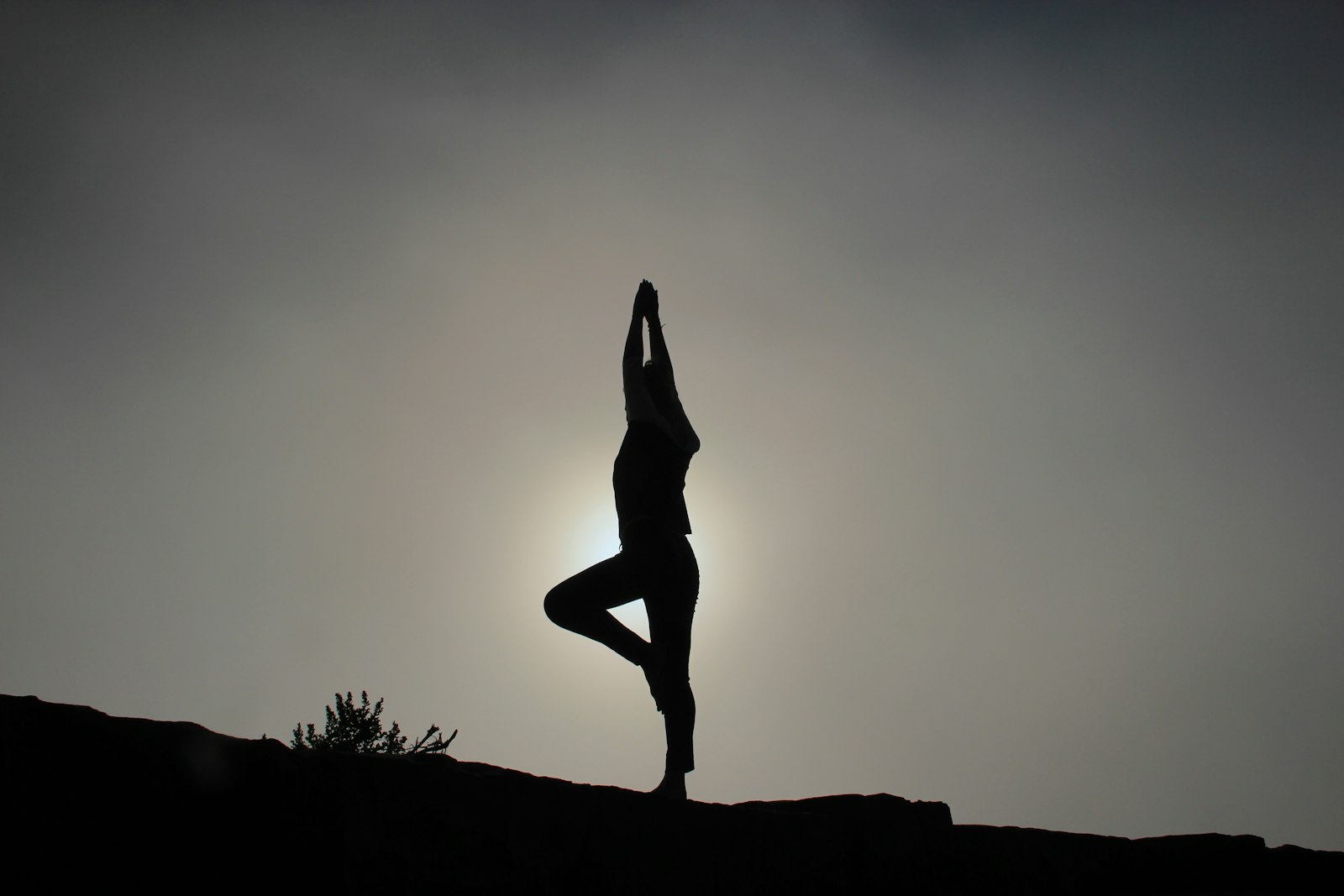
Single-leg stance is a fundamental exercise. Stand on one leg for 20–30 seconds; repeat on the other leg. Progress by closing your eyes (removing visual input) or standing on an unstable surface (foam pad, balance board). This trains proprioceptive feedback and ankle stabilizer muscles.
Tandem walking (heel-to-toe line walking) trains dynamic balance and proprioceptive integration. Walk forward along a line, heel of front foot touching toe of back foot. Slow, controlled movement. Progress by walking backward, or walking while turning your head (incorporating vestibular input).
Weight transfers (shifting weight side-to-side, forward-back) train balance recovery and hip stabilizer muscles. Stand with feet hip-width apart, shift weight fully to one leg (the other leg lifts slightly), return to center. Repeat. Progress by increasing speed or standing on an unstable surface.
Vestibular training involves head movements while maintaining focus (gaze stabilization). Look at a fixed point, turn your head side-to-side or up-and-down at increasing speeds. This trains the vestibulo-ocular reflex.
Strength training, particularly for legs and glutes, is essential. Single-leg movements (lunges, step-ups, single-leg deadlifts) are particularly effective because they train balance under load and build the leg strength needed to recover from balance loss.
The Research Evidence
Studies show consistent benefits from balance and strength training:
- Fall reduction: Combined balance and strength training reduces falls by 20–30% in older adults. Tai chi (which incorporates balance, strength, and proprioceptive training) shows particularly large effects, with 20–30% fall reductions in multiple RCTs.
- Effect on specific factors: Balance training improves static and dynamic balance, gait speed, and proprioception. The improvements show up on functional tests (Timed Up and Go, balance tests) and in reduced fall rates.
- Age irrelevance: Benefits appear across age groups. Even very old adults (85+) show meaningful improvements in balance and fall-risk factors with consistent training.
- Dose-response: The most effective programs involve 2–3 sessions per week for 8+ weeks. More frequent training shows larger improvements.
Practical Balance-Training Program
A weekly program for someone age 40+ should include:
Day 1–2: Strength + Balance
- 5 minutes warm-up (walking, arm circles)
- Goblet squats (3×10) — balance under load
- Single-leg step-ups (3×8 per leg)
- Farmer carries (3×30 seconds per side) — single-arm offset
- Single-leg deadlifts (3×8 per leg)
- Single-leg stance on foam (3×20 seconds per side)
Day 3: Proprioceptive work
- Tandem walking (4–5 passes each direction)
- Heel-to-toe walking, backward
- Single-leg balance with eyes closed (3×15–20 seconds per side)
- Weight shifts side-to-side (3×10 per side)
Day 4: Cardiovascular + vestibular
- 30 minutes easy walking (or cycling, swimming)
- Gaze stabilization (head turns while maintaining visual focus) — 2 minutes
- Walking with turns (figure-8 pattern)
This program takes 45–60 minutes per week and targets all three components of balance — proprioceptive, vestibular, and strength-based.
Special Considerations
Medication effects: Certain medications (sedatives, blood pressure medications, anticholinergics) impair balance. If balance declines suddenly or unexpectedly, check medication changes with your clinician.
Vision: Corrective lenses and eye exams matter. Poor vision significantly increases fall risk. Make sure your glasses prescription is current.
Environmental factors: Even good balance doesn't prevent falls if the environment has hazards (loose rugs, poor lighting, clutter). Home safety modifications (removing tripping hazards, improving lighting, installing grab bars) are important alongside training.
Progression: Start with easier variations (balance with hand support, eyes open, stable surface). Progress gradually to harder variations (eyes closed, unstable surface, movement complexity). Progress slowly to avoid injury from falls during training.
The research is clear: balance training, particularly when combined with strength training, meaningfully reduces fall risk and maintains independence across the lifespan. For anyone over 50, it should be a regular part of training, not optional.