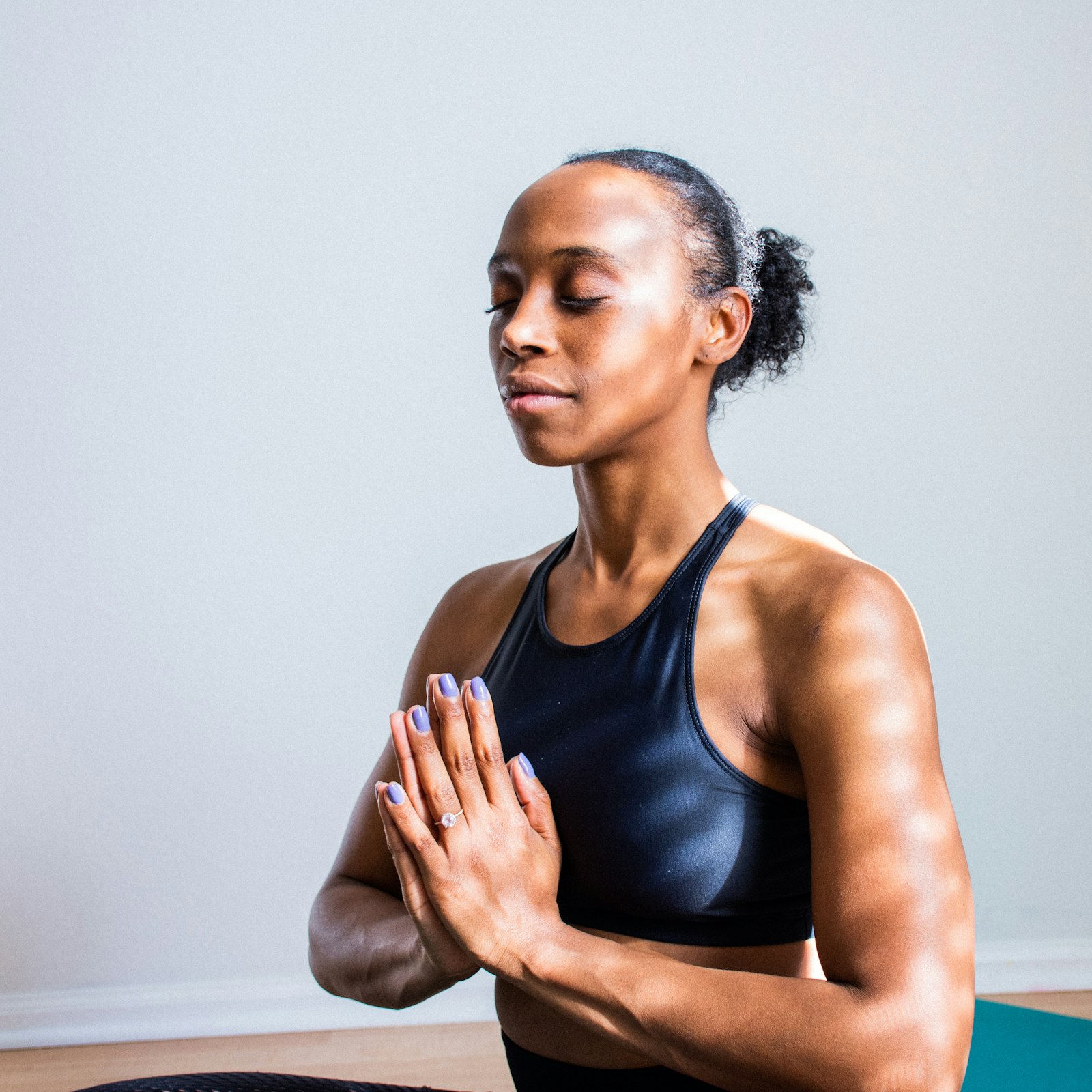
A panic attack is a sudden onset of intense fear or dread accompanied by physical symptoms—heart racing, shortness of breath, chest pain, dizziness, trembling. People experiencing one often believe they're having a heart attack or losing their mind. Medically, panic attacks are a dysregulation of the fear response system, not a physical threat. Understanding this distinction is the first step to interrupting the cycle.
The physiology of panic
A panic attack is initiated by one of two pathways:
Pathway 1: External trigger. You perceive a threat (real or misinterpreted), and your amygdala (threat-detection center) activates the locus coeruleus (arousal center). This triggers a cascade: epinephrine and norepinephrine release, heart rate increases, breathing quickens, blood vessels constrict, pupils dilate, muscle tension rises. This is the fight-flight-freeze response, evolutionarily useful for physical threats.
Pathway 2: Internal trigger. You notice a bodily sensation—a skipped heartbeat, a tight feeling in your chest, dizziness—and misinterpret it as dangerous. This thought activates the amygdala just as much as an external threat would. Your body responds with increased arousal, which amplifies the initial sensation, which strengthens the threat interpretation. This is the core of panic disorder: a self-amplifying cycle of misinterpretation and physiological escalation.
Why it feels like a heart attack
The symptoms of panic are subjectively indistinguishable from a heart attack:
- Chest pain or tightness
- Shortness of breath
- Rapid heart rate
- Dizziness or lightheadedness
- Tingling sensations
The difference is objective. An EKG during a panic attack shows normal cardiac rhythm. Blood tests show no cardiac enzymes. The heart is working fine; the nervous system is just in overdrive.
But the subjectivity matters. If you believe you're having a heart attack, your threat perception is real, which keeps the fight-flight system activated. This is why reassurance alone—"you're fine, it's just panic"—doesn't always work in the moment. You need to interrupt the physiological cycle, not just the thought.
The vicious cycle
Once panic starts, it typically escalates over 5–15 minutes because of positive feedback:
- Trigger or misinterpreted sensation.
- Threat interpretation → amygdala activation.
- Sympathetic activation → heart rate, breathing rate increase.
- Hyperventilation → CO2 drop → dizziness, tingling.
- Dizziness and tingling → interpreted as increased danger.
- Escalating threat perception → further sympathetic activation.
- Peak panic at 5–15 minutes.
- Gradual recovery over 20–30 minutes as the nervous system self-regulates.
The cycle will self-terminate eventually (panic can't sustain indefinitely). But breaking it sooner is the goal.
Interruption strategies (evidence-ranked)
Strategy 1: Extended-exhale breathing (strongest evidence)
The mechanism: Hyperventilation during panic drops CO2, which your brain interprets as asphyxiation, which amplifies panic. Extended-exhale breathing increases CO2 and activates the vagus nerve, signaling safety.
The protocol:
- Exhale for longer than you inhale. Aim for a 4-count inhale and 8-count exhale.
- Focus fully on the breathing pattern.
- Do this for 5–10 minutes.
Why it works: It interrupts hyperventilation, normalizes blood gas, and forces attention away from threat-monitoring.
Evidence: Multiple studies show extended-exhale breathing reduces panic symptoms within 5–10 minutes. It's used in clinical panic disorder treatment protocols.
Strategy 2: Cold water exposure (strong evidence)
The mechanism: The dive reflex (a mammalian reflex) slows heart rate and shifts blood flow when cold water contacts the face. This directly counteracts the fight-flight system.
The protocol:
- Splash cold water on your face, or submerge your face in cold water for 5–15 seconds.
- The colder the water, the stronger the response.
Why it works: It's an immediate, involuntary nervous system reset. You can't maintain panic while the dive reflex is active.
Evidence: Studies on the dive reflex show rapid heart rate reduction and anxiety symptom relief. It's a trusted tool in crisis intervention.
Limitation: It feels jarring in the moment, and not everyone finds it psychologically acceptable. But physiologically, it's powerful.
Strategy 3: Grounding (moderate evidence)
The mechanism: Panic involves catastrophic thinking and felt sense of unreality or danger. Grounding techniques redirect attention to sensory reality—what you can see, hear, feel, smell.
The 5-4-3-2-1 technique:
- Name 5 things you can see.
- Name 4 things you can feel (texture, temperature, pressure).
- Name 3 things you can hear.
- Name 2 things you can smell.
- Name 1 thing you can taste.
Why it works: It interrupts the threat-scanning loop and anchors you in the present, which is always safe (panic is fear of a future threat, not the present moment).
Evidence: Grounding is a well-established technique in trauma and anxiety work. It reduces panic severity and duration.
Limitation: It requires some cognitive capacity. During severe panic, focusing on a task can feel impossible. But if you practice grounding before panic starts, you can access it during.
Strategy 4: Muscle tensing and release (moderate evidence)
The mechanism: Progressive muscle tension and release activates the parasympathetic nervous system through the relaxation response.
The protocol:
- Tense a large muscle group (legs, arms, core) for 5 seconds.
- Suddenly release and feel the sensation of relaxation.
- Repeat across your body.
Why it works: It channels the nervous system activation (which wants to express as fight) into a controlled, harmless activity. The release signals safety.
Evidence: Progressive muscle relaxation is evidence-based for anxiety disorders. It takes 10–15 minutes for full effect, so it's better as prevention than acute intervention.
Strategy 5: Movement (moderate evidence)
Running, jumping, or vigorous movement dissipates the adrenaline and completes the fight-flight cycle. After intense movement, the parasympathetic system naturally rebounds to restore equilibrium.
The protocol:
- Vigorous movement for 2–5 minutes (running in place, jumping, push-ups).
Why it works: It "finishes" the threat response instead of leaving your nervous system in limbo.
Evidence: Exercise reduces anxiety and panic severity. Some therapists incorporate movement-based panic interventions.
Limitation: During acute panic, motivation to exercise is low. But if you can push through the initial resistance, it works.
What doesn't work
- Reassurance alone: "You're fine, it's not a heart attack" doesn't interrupt the cycle; it just adds frustration when your body still feels terrible.
- Distraction alone: Trying to ignore the panic or watch a movie won't stop it. Panic is too physiologically intense.
- Slow, deep breathing without focus: Generic "deep breathing" sometimes makes panic worse if you're already hyperventilating (it increases CO2 further). Extended-exhale breathing is better because it actively lowers CO2.
During a panic attack: the priority order
- Safety first: If you're in a car or unsafe location, move to safety.
- Interrupt physiology: Extended-exhale breathing or cold water exposure works fastest.
- Stay present: If physiology doesn't immediately resolve, grounding techniques keep you anchored.
- Allow time: Panic will resolve. Most peak at 10–15 minutes and subside over 20–30 minutes. Knowing this reduces the catastrophizing.
Prevention: reducing panic frequency
- Treat the underlying anxiety: Panic disorder usually coexists with generalized anxiety. Addressing the baseline anxiety (through therapy, exercise, sleep) reduces panic frequency.
- Avoid avoidance: Each time you avoid a situation due to panic fear, you reinforce that the situation is dangerous. Gradual exposure (with support) breaks this cycle.
- Practice grounding regularly: So it's accessible during panic. Rehearsal matters.
- Reduce caffeine: Caffeine mimics some panic symptoms and can lower your threshold.
- Stabilize sleep: Sleep deprivation increases panic susceptibility.
The bottom line
Panic attacks are intensely uncomfortable but not dangerous. The physiology is a misfiring threat response, not a cardiac emergency. Understanding this distinction—and having tools to interrupt the cycle—gives you agency in the moment. Extended-exhale breathing and cold water exposure are the fastest physiological interventions. With practice, you can interrupt panic within 5–10 minutes rather than riding it out for 30.
Over time, exposure therapy and anxiety treatment reduce panic frequency. But in the acute moment, knowing what to do—and practicing it before panic strikes—makes all the difference.