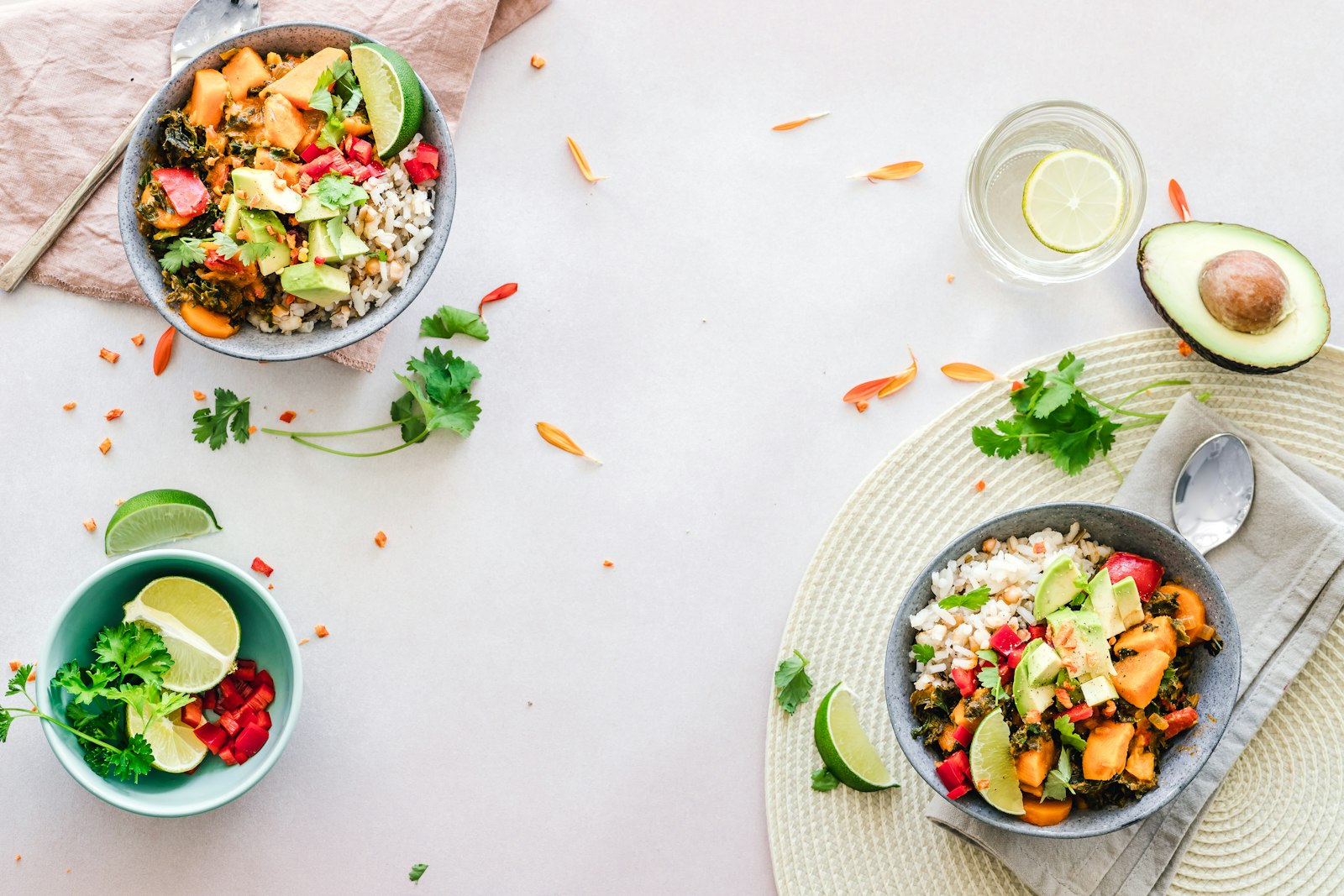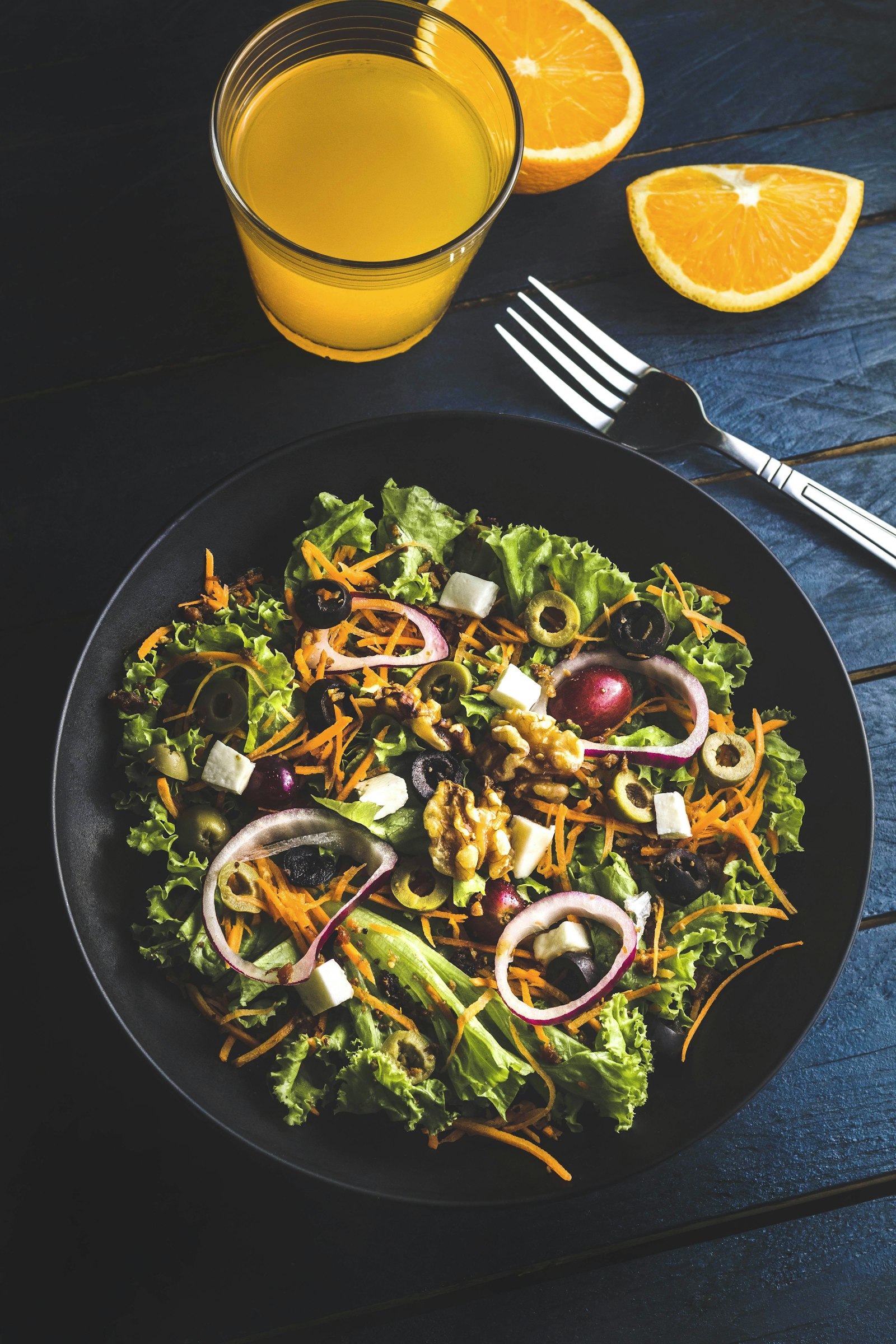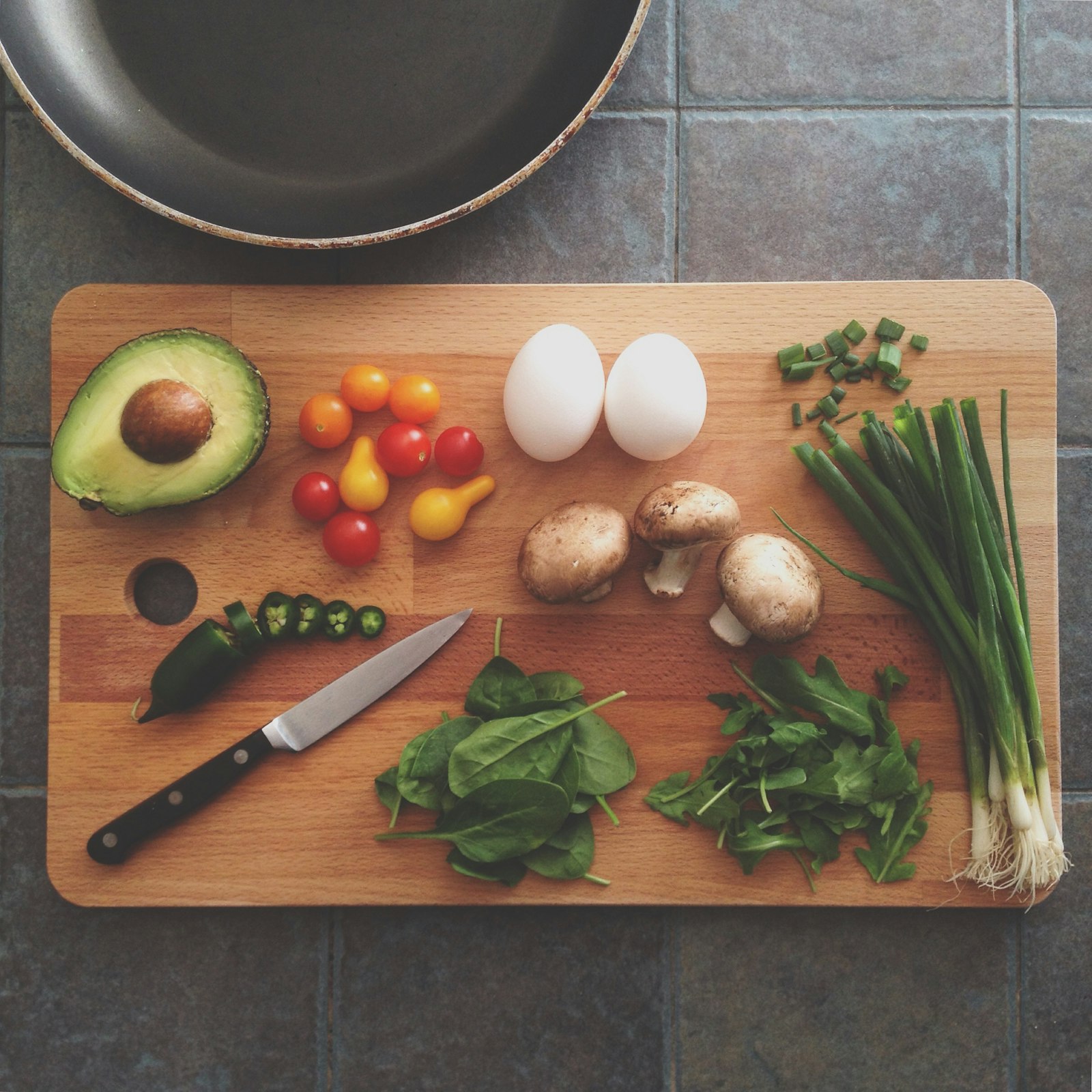
The appeal of batch cooking is obvious: spend a few hours on Sunday, eat well all week, make fewer decisions when you're tired and hungry at 7pm on Wednesday. The reality, for many people who've tried it, is less appealing: a fridge full of the same dish, eaten dutifully until it becomes a source of low-grade dread by midweek.
The problem isn't batch cooking — it's how most people approach it. Cooking one or two complete dishes in large quantities forces you to eat the same meal repeatedly. A different approach — batch-prepping components rather than finished dishes — gives you the same efficiency advantage while preserving variety.
The Component Approach
Instead of making a large pot of chicken soup and eating it four times, you cook and store the building blocks of multiple meals: proteins, grains, and prepared vegetables that can be combined in different ways throughout the week.
A Sunday prep session might produce:
- Roasted chicken thighs (can become grain bowls, tacos, salads, pasta, or be eaten simply with vegetables)
- Cooked quinoa or farro (a base for bowls, mixed into salads, or served alongside proteins)
- Roasted sheet-pan vegetables (sweet potato, broccoli, cauliflower, or whatever is in season)
- A big batch of cooked lentils or chickpeas (usable in salads, soups, or as a protein-rich side)
- Hard-boiled eggs (quick protein for any meal)
- Washed and torn salad greens, stored with a paper towel to absorb moisture
These components combine into different meals with minimal additional work. Monday's grain bowl (quinoa, chicken, roasted vegetables, tahini dressing) becomes Tuesday's salad (greens, chickpeas, remaining vegetables, different dressing), becomes Wednesday's taco night (chicken reheated with spices, in tortillas with fresh toppings).
The Two-Hour Framework
Effective batch cooking doesn't require an entire afternoon. A focused two hours, with tasks running in parallel, covers most needs for a family of two to four.
First 15 minutes: Get everything out of the fridge and pantry. Preheat the oven to 400°F (or whatever your main recipe calls for). Start a pot of water for grains. Wash and dry produce.
Minutes 15-30: Get grains into the boiling water. Prep sheet-pan vegetables — peel, chop, toss with olive oil and salt. Get them into the oven. Season and start protein.
Minutes 30-75: Everything is largely in the oven or on the stove. This is the time to prep the things that don't need heat: wash salad greens, portion nuts and snacks, make a big batch of dressing or sauce, prep overnight oats or smoothie bags for breakfasts.
Minutes 75-105: Pull cooked items as they finish. Let proteins rest before storing. Transfer grains to storage containers. Let roasted vegetables cool slightly before refrigerating (hot food creates condensation and speeds spoilage).
Final 15 minutes: Containers into the fridge, labeled if multiple people are accessing them. Clean up.
What Stores Well (and What Doesn't)
Not everything benefits from batch prep. Some foods degrade quickly; others improve over a few days.
Stores well: Cooked grains (up to five days), cooked legumes (up to five days), roasted root vegetables, hard-boiled eggs in shell (up to one week), raw vegetable prep like cut carrots and celery, cooked and shredded meat.
Stores poorly: Dressed salads (soggy within hours), cut avocado (browns quickly), cooked fish (best eaten same day or next day), anything with high water content that was cooked soft.
Improves over time: Braises, stews, curries, and soups generally taste better on day two or three as flavors meld. If you're going to make a single complete dish for batch cooking, make something in this category.
Storage containers matter more than most people realize. Wide-mouth glass containers are the gold standard — they're easy to fill and clean, don't absorb odors, and can go from fridge to microwave to dishwasher. A set of uniform containers also makes the fridge easier to navigate.
A Sample Batch-Cook Plan
To make this concrete, here's a real Sunday prep that produces five distinct weeknight dinners:
What you cook:
- 2 lbs bone-in chicken thighs, roasted at 400°F for 45 minutes
- 2 cups dry farro, simmered 30 minutes
- 1 large head cauliflower + 2 sweet potatoes, roasted at 400°F for 35-40 minutes
- 2 cans chickpeas, drained, half roasted crispy at 400°F for 25 minutes, half stored as-is
- 6 hard-boiled eggs
What you prep cold:
- Large container of mixed greens (two heads romaine + arugula)
- Big batch tahini dressing (tahini, lemon, garlic, olive oil, water to thin)
- Pre-portioned almonds in small containers
The week's dinners:
- Monday: Farro bowl with roasted chicken, cauliflower, tahini dressing
- Tuesday: Chickpea and sweet potato curry (add canned tomatoes + spices to stored chickpeas and sweet potato, 20 minutes on the stove)
- Wednesday: Big salad with hard-boiled eggs, crispy chickpeas, roasted vegetables, tahini
- Thursday: Chicken tacos (shred stored chicken, heat with cumin and chili, serve in tortillas)
- Friday: Farro and white bean soup (farro + canned beans + broth + whatever vegetables remain)
Total active cooking time on Sunday: under two hours. Average weeknight assembly time: under 15 minutes.
Ingredients:
- 3 tablespoons tahini
- 2 tablespoons fresh lemon juice
- 1 small garlic clove, grated
- 2 tablespoons olive oil
- 3-4 tablespoons warm water
- Salt to taste
Method: Whisk tahini, lemon juice, and garlic together. The mixture will seize up — this is normal. Add olive oil and whisk. Add warm water tablespoon by tablespoon until you reach a pourable consistency. Season with salt. Keeps refrigerated for up to one week.
The goal of batch cooking isn't to mechanize eating — it's to reduce the friction that gets in the way of eating well when you're tired and time-pressed. Kept flexible, it's one of the more durable habits in practical nutrition.