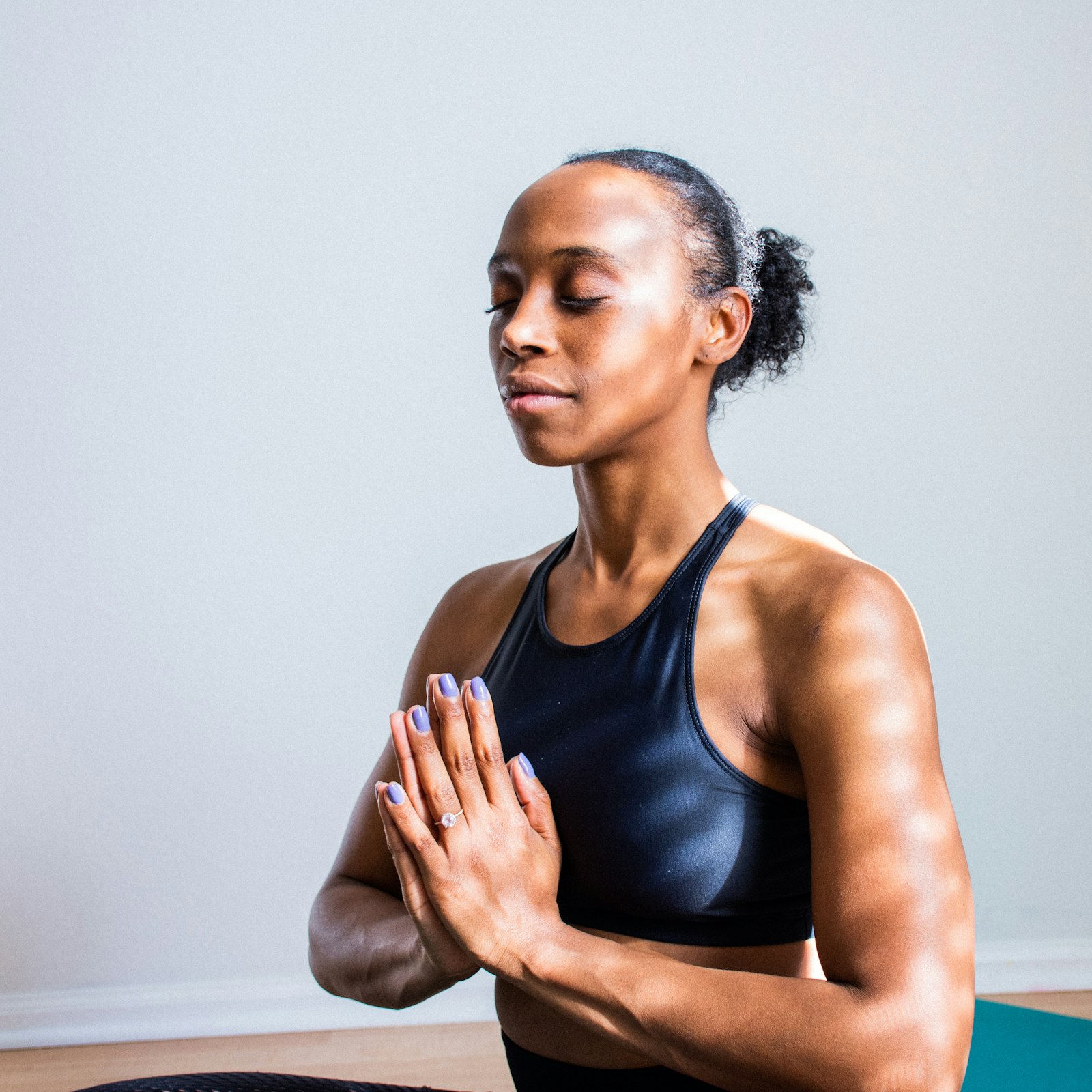
Breathwork has become a wellness buzzword, but the mechanism is grounded in neurobiology. Your breathing pattern influences your heart rate, blood CO2 levels, and vagal tone—all of which signal to your brain whether you're safe or under threat. By deliberately changing your breathing, you can shift your nervous system state.
This isn't meditation-style "breathing to relax" vagueness. It's specific physiology.
How breathing affects nervous system state
Your autonomic nervous system has two main branches:
- Sympathetic: Fight-or-flight. Increases heart rate, blood pressure, and vigilance.
- Parasympathetic: Rest-and-digest. Decreases heart rate, lowers blood pressure, promotes digestion and recovery.
The vagus nerve is the primary parasympathetic pathway. It runs from your brain to your heart, lungs, and gut. Vagal stimulation slows heart rate, lowers blood pressure, and signals safety. One key input to the vagus is the pattern of your breathing.
Here's the mechanism: when you breathe in, you slightly increase heart rate (sympathetic). When you breathe out, you stimulate the vagus nerve, which slows heart rate (parasympathetic). This heart rate variation with breathing is called respiratory sinus arrhythmia (RSA). It's normal and healthy—people with higher RSA have better emotional regulation and stress resilience.
By deliberately extending your exhales, you amplify the parasympathetic signal and lower your heart rate. By breathing faster or with longer inhales, you amplify the sympathetic signal and increase heart rate. This is not psychological; it's direct physiology.
The physiological sigh: the most evidence-backed technique
A "physiological sigh" is a specific pattern: a deep inhale followed by a double or extended exhale. Neuroscientist Andrew Huberman has popularized this technique based on research showing it rapidly reduces CO2 and calms the nervous system.
The pattern:
- Inhale deeply through your nose for a count of 4.
- At the top of the inhale, take a small supplemental inhale (a "sip" of air).
- Exhale slowly through your mouth for a count of 6–8.
The mechanism: The supplemental inhale expands the lungs further, recruiting more alveoli (air sacs) for gas exchange. This rapidly lowers blood CO2 levels. Lower CO2 reduces the drive to breathe, which paradoxically feels calming. The extended exhale activates the vagus nerve.
Evidence: Studies show that physiological sighs reduce heart rate and skin conductance (a measure of sympathetic activation) within 1–2 minutes. A single 5-minute session of physiological sighs produces measurable stress reduction. This is faster than most meditation techniques.
Other evidence-backed breathwork patterns
4-7-8 breathing (or 4-6-8):
- Inhale for 4 counts.
- Hold for 7 counts.
- Exhale for 8 counts.
- Repeat 4 times.
The long exhale is the active ingredient. Holding the breath briefly adds a mild hypercapnic stimulus (increased CO2), which can feel grounding. This is useful for anxiety that manifests as over-breathing (hyperventilation).
Box breathing (4-4-4-4):
- Inhale for 4 counts.
- Hold for 4 counts.
- Exhale for 4 counts.
- Hold for 4 counts.
- Repeat.
Equal timing creates rhythmic stability. Less powerful than extended-exhale patterns, but gentler and easier to sustain.
Alternate nostril breathing (Nadi Shodhana):
- Block right nostril, inhale through left.
- Block left nostril, exhale through right.
- Inhale through right, exhale through left.
- Repeat.
The research is thinner here, but some studies show it increases parasympathetic tone and reduces anxiety. The mechanism may be the rhythmic pattern, the forced attention (which interrupts rumination), or specific properties of unilateral breathing.
What breathwork does and doesn't do
What it does:
- Immediate heart rate reduction: Measurable within 1–2 minutes.
- Reduced skin conductance: A sign of reduced sympathetic activation.
- Interrupts hyperventilation: If you're over-breathing due to anxiety, patterned slow breathing normalizes CO2.
- Interrupts rumination: The focus required breaks the cycle of catastrophic thinking.
- Improved HRV: Regular breathwork practice increases heart rate variability, a marker of nervous system flexibility.
What it doesn't do:
- Cure anxiety or depression: It's a tool for acute symptoms, not a treatment for underlying conditions.
- Replace sleep: Breathing exercises don't substitute for sleep debt.
- Fix structural breathing issues: If you have asthma, sleep apnea, or other pulmonary conditions, breathwork isn't a treatment; it's a symptom management tool at best.
Individual variation
Breathwork effectiveness varies widely. Some people experience immediate, dramatic calming; others feel little. This variation is partly genetic (baseline nervous system reactivity), partly learned (how quickly you can shift your attention), and partly contextual (it's easier to do breathwork when not in acute crisis).
People with a history of panic attacks sometimes find that extended-hold breathing (4-7-8) temporarily increases anxiety because the hold triggers CO2 buildup. For these people, extended-exhale patterns work better.
Timing and practical use
For acute anxiety or stress:
- Use physiological sighs or 4-7-8 breathing when you notice the arousal response beginning.
- 5–10 minutes is usually sufficient for measurable effect.
- The earlier you intervene (before full panic), the more effective it is.
For daily nervous system regulation:
- 5–10 minutes of patterned breathing once or twice daily can increase baseline parasympathetic tone over weeks.
- Morning breathwork can set a calmer baseline for the day.
- Evening breathwork can support sleep preparation.
During sleep:
- Using extended-exhale breathing during the sleep transition (when you're in bed but awake) can facilitate sleep onset by reducing the arousal that prevents falling asleep.
The CO2 angle
One underappreciated aspect: CO2 is a signal of safety and relaxation. When you over-breathe (hyperventilate), you blow off CO2, which your brain interprets as threat or exertion. This triggers more sympathetic activation. Extended-exhale breathing (which reduces minute ventilation and allows CO2 to normalize) signals safety.
This is why breathing exercises often feel paradoxically easier and more effective when you're anxious—because anxiety comes with hyperventilation, and correcting the breathing directly counteracts the mechanism driving the anxiety.
The bottom line
Breathwork is one of the few wellness interventions where the mechanism is well-understood and the evidence is strong. Specific patterns—physiological sighs, extended-exhale breathing, rhythmic patterns—produce measurable changes in heart rate, autonomic tone, and subjective stress within minutes.
It's not magic, and it's not a substitute for other treatments. But as an acute tool for nervous system regulation, it's legitimate, accessible, and evidence-backed. If you practice one technique consistently, physiological sighs or 4-7-8 breathing are your best bets based on the research.