The Snacking Shift
Fifty years ago, people ate three meals. Today, the average person snacks 1–2 times daily, and snacks account for 25% of daily calories. Snacking itself isn't new—but the volume and type of snacking is.
Does Snacking Make You Gain Weight?
The simple answer: snacking doesn't inherently cause weight gain. Total calories do. But snacking facilitates overconsumption in ways meals often don't.
Snack foods are engineered for reward: high salt, sugar, or fat; low fiber; low satiety. A protein bar feels different than a chicken breast despite similar calories. You can eat 300 calories of trail mix without noticing; 300 calories of eggs takes longer and leaves you fuller.
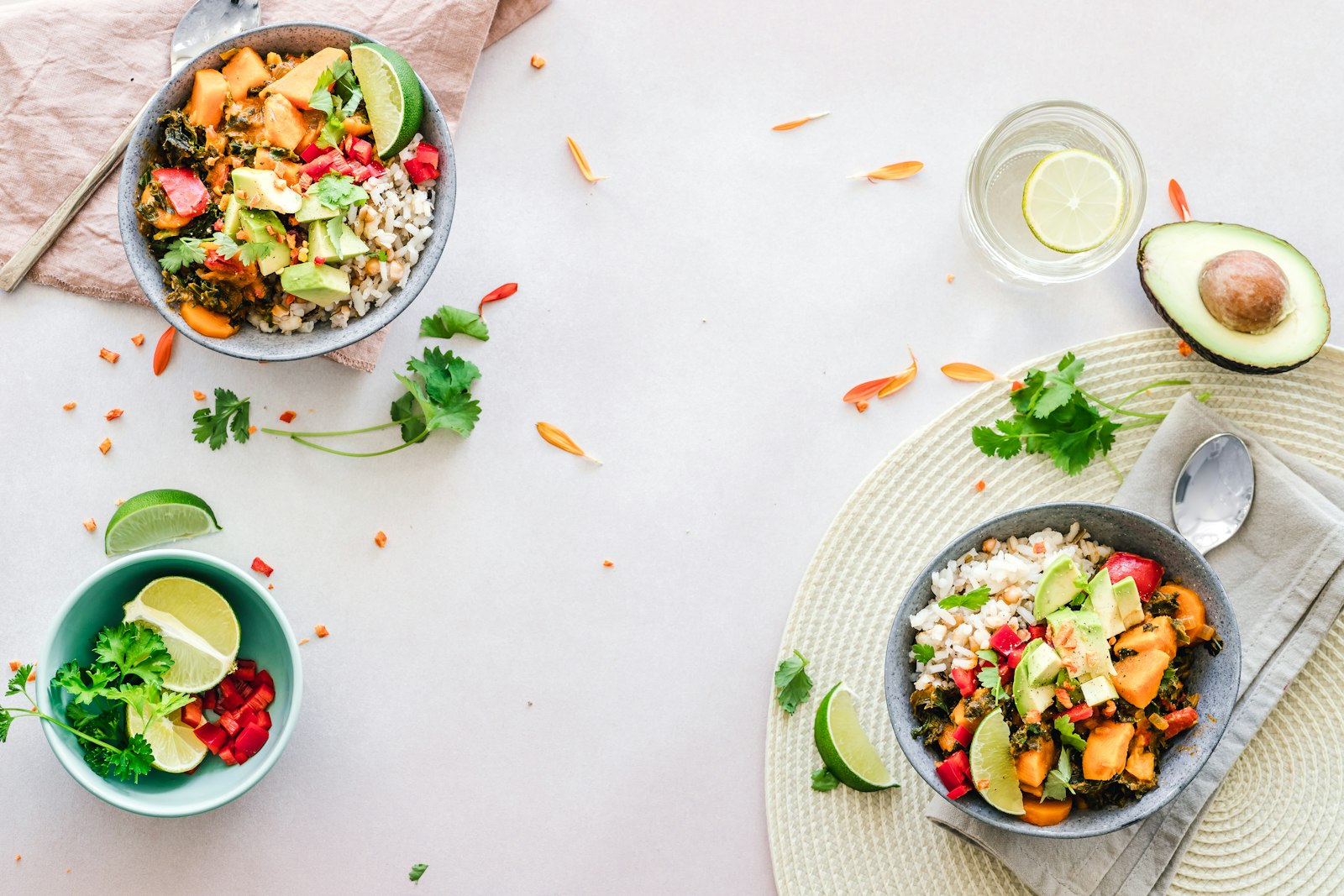
Research shows people who snack on whole foods (nuts, fruit, yogurt, cheese) maintain or lose weight. People who snack on processed foods (chips, cookies, sugary drinks) gain weight—even at the same calorie level—because they eat more total calories.
Energy and Protein Matter Most
When snacking works well, it's because it:
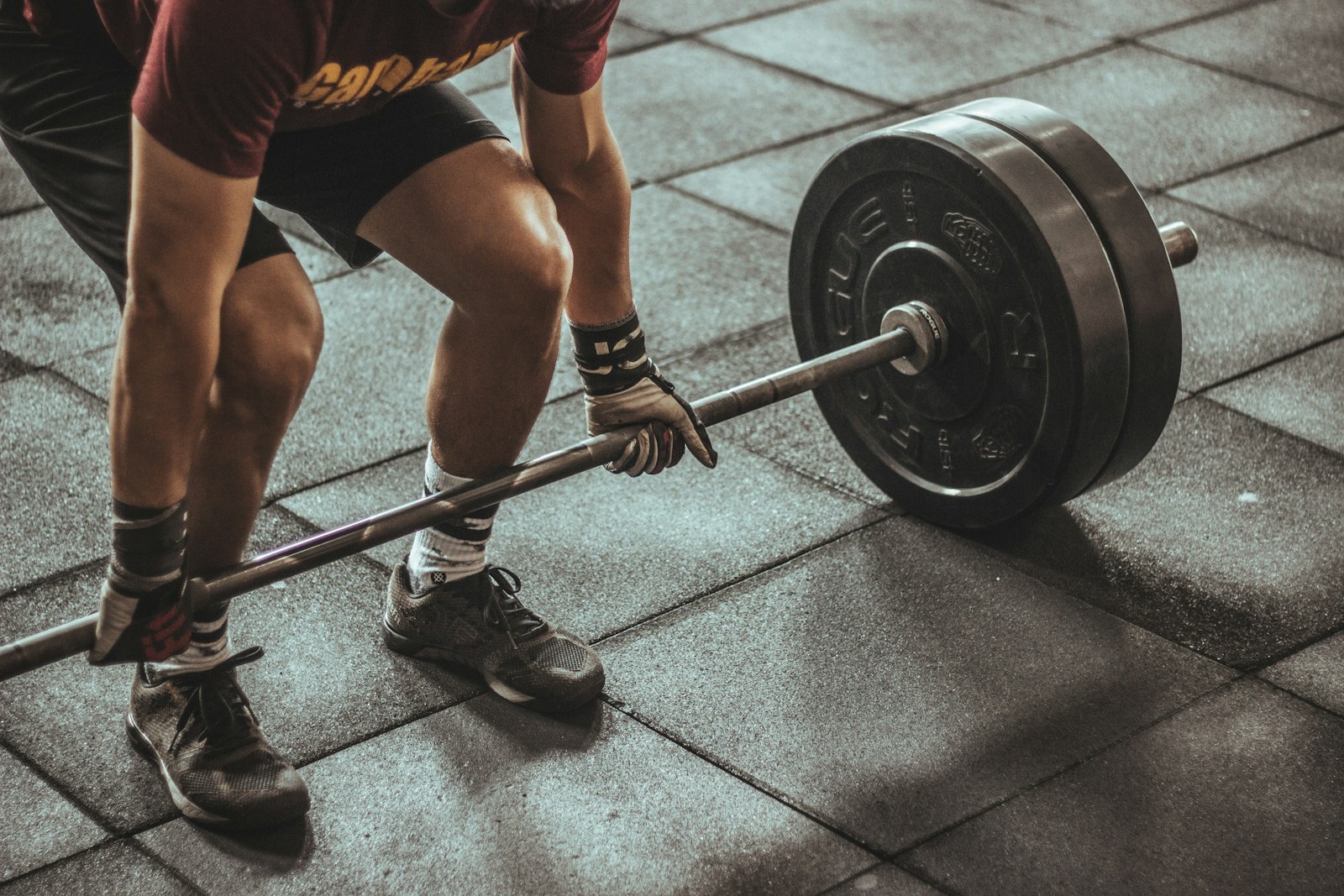
- Bridges energy gaps. A post-workout snack with protein and carbs accelerates recovery.
- Stabilizes blood sugar. A mid-afternoon protein snack prevents the 4 PM energy crash that triggers the 5 PM pastry grab.
- Supports satiety. A handful of nuts before dinner reduces overeating at the meal.
Conversely, snacking fails when it's:
- Habitual, not hunger-driven. Eating because it's 3 PM, not because you're hungry.
- Low in protein and fiber. Crackers and juice spike blood sugar and leave you hungry 30 minutes later.
- Too accessible. Cookies in the break room invite eating; nuts in your bag invite intentional snacking.
The Liquid Snack Problem
Beverages—juice, coffee drinks, smoothies with added sugar—deliver calories without satiety. A 16 oz coffee with syrup and cream is 300 calories and doesn't feel like eating. Solid food requires chewing, triggers satiety signals, and registers as consumption.
Optimal Snack Structure
If you snack, make it intentional:
- Protein + fat or fiber. Greek yogurt with berries. Nuts with an apple. Cheese with vegetables. These combinations delay hunger until the next meal.
- Prep ahead. Pre-portioned snacks reduce the temptation to grab "just a handful" that becomes half a bag.
- Timing matters. A snack 1–2 hours post-workout speeds recovery. A snack 30 minutes before a meal kills appetite for that meal—time it correctly.
- Whole foods first. If you snack on processed foods, you're eating someone's hyper-optimized reward formula. Whole foods are harder to overconsume.
When Not to Snack
- If you're trying to lose weight, snacking adds friction. Three meals and water is simpler than three meals plus snacks.
- If you're not actually hungry. Boredom, stress, and habit masquerade as hunger.
- If your main meals are inadequate. Snacking shouldn't patch a lunch that was too small; lunch should be sufficient.
Common Snacking Pitfalls
The "health bar" trap: Protein bars and granola bars market themselves as healthy but often contain 20–30 g sugar, similar to a candy bar. They're convenience, not nutrition. Real food (almonds, cheese, hard-boiled eggs) is cheaper and more satiating.
Snacking while distracted: Eating while working, driving, or watching TV disconnects you from fullness signals. You can consume 500 calories of nuts while focused on your screen and barely notice. Intentional snacking—sitting down, no screens—helps you notice satiety.
Frequency addiction: Some people graze all day. Snacking every two hours keeps blood sugar elevated and hunger never fully satisfied. If you're constantly snacking, try consolidating into three meals plus one intentional snack; you may eat less total.
Snacking for Different Goals
For weight loss: Minimize snacking. Three meals covering protein, fiber, and whole foods is simpler than three meals plus snacks. If hunger spikes mid-afternoon, add protein or fat to lunch.
For muscle building: Post-workout snacks accelerate recovery. Protein + carbs within an hour post-training supports muscle protein synthesis.
For blood sugar stability (diabetics): Small snacks prevent drastic glucose swings. Protein-fat combinations (nuts with cheese) stabilize better than carb-only snacks.
The Bottom Line
Snacking is a tool. Protein-rich, fiber-rich snacks between meals can stabilize energy and prevent overeating. Processed, high-calorie snacks displace whole foods and add volume without satiety. The research supports snacking strategically, not snacking as default.
If you snack, make it intentional, whole-food based, and portion-controlled. Better yet, eat satisfying meals so snacking becomes unnecessary.